
A Phase 1 Case that Didn’t Need Phase 2
I. Introduction
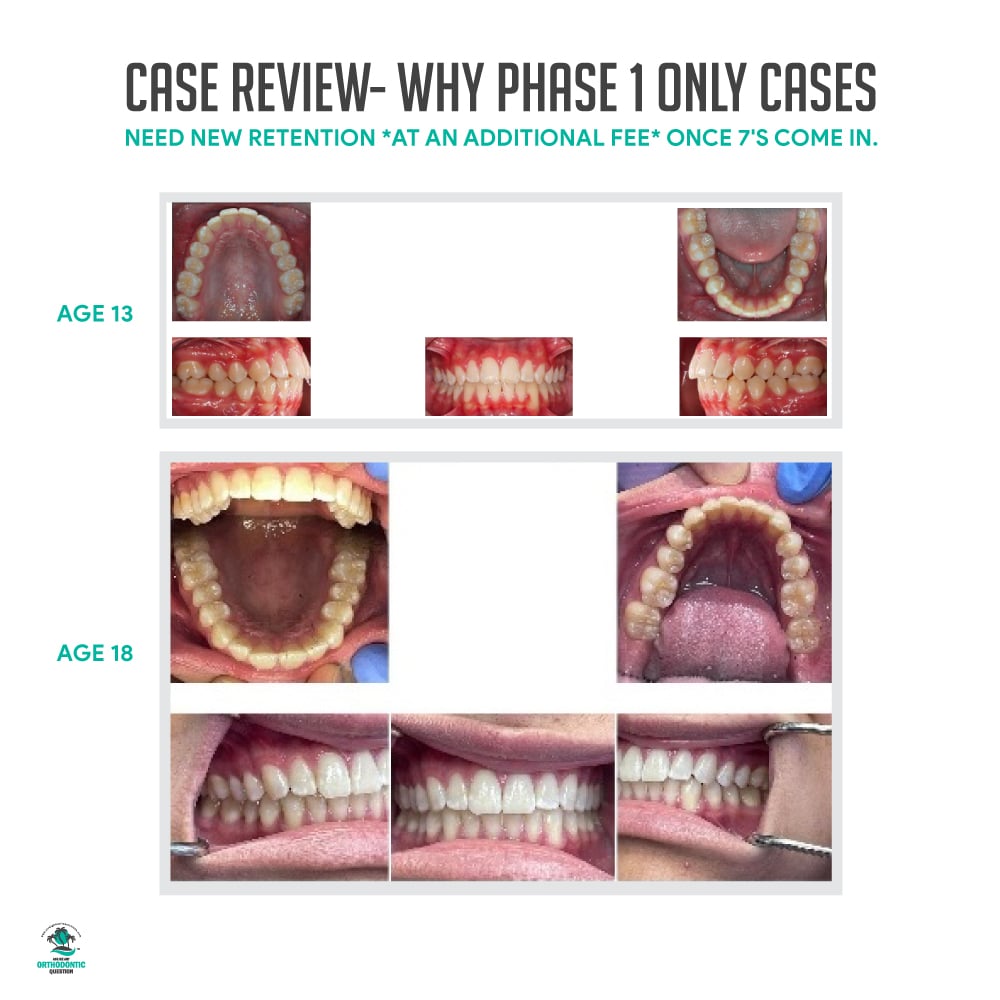
Dr. Amanda from StraightSmile Solutions discusses a case where phase one growth modification and expansion treatment in a young patient resulted in a great outcome without needing phase two braces or aligners. She shows photos of the patient at age 13 after early treatment and notes the improvements from the original malocclusion. Although the patient did not wear retainers and had some relapse by age 18, Dr. Amanda explains how certain aspects improved further with natural settling. She then demonstrates why this is now an easy case for alignment with 32 Invisalign trays over 6 months.
II. Phase One Growth Modification
A. Brief explanation of the concept of Phase One treatment
B. Mention of growth modification and expansion techniques used
C. Emphasis on the positive outcome observed in the case study patient at age 13
III. Case Study Patient Profile
A. Patient age and initial conditions
B. Reference to the lack of early pictures but positive feedback from parents
C. Noteworthy issues such as overbite, overjet, and narrow arches
IV. Success without Traditional Orthodontic Treatment
A. Highlighting the achieved results without the need for braces or aligners
B. Discussion on the cosmetic and medical aspects of the patient’s outcome
C. Emphasizing the cost savings for parents and the satisfaction with the achieved results
V. Medically vs. Cosmetically Necessary Treatment
A. Dr. Amanda’s perspective on the necessity of Phase Two treatment
B. Assertion that, in some cases, cosmetic results may suffice without further intervention
C. Introduction of the idea that Phase Two may not always be medically necessary
VI. Importance of Retention
A. Recommendation of retainers at age 13 and their role in maintaining results
B. Addressing the issue of mesial migration and gradual changes over time
C. Encouragement for patients to wear retainers consistently
VII. Patient’s Return at Age 18
A. Observation of changes in tooth rotation, especially in tooth number seven
B. Positive aspects of midline correction and bite improvement over time
C. Acknowledgment of settling and coordination in the bite without retainers
VIII. Transition to Phase Two
A. Consideration of the patient’s desire for further improvement before college
B. Evaluation of the case as a “green case” suitable for various aligner systems
C. Mention of the treatment plan, including the surprising default of 32 aligners by Invisalign
IX. Conclusion
Dr. Amanda presented an illustrative case of a patient who underwent phase one growth modification expansion treatment at age 8. Excellent results were achieved by normalizing overbite, overjet, and arch form. The patient was given retainers at age 13 but did not wear them consistently. Some relapse in tooth positions occurred from age 13 to 18, including rotation of a few teeth. However, the overall settling of the bite over time without retention improved the midlines and side-to-side class I occlusion. While continued retention is generally recommended, this case shows that some aspects of the bite can self-improve. With a straightforward 6-month aligner treatment, an excellent final result can still be achieved in such growth modification relapse cases.
X. Closing Remarks
A. Expressing gratitude for the shared insights and informative content
B. Encouraging viewers to explore more case studies and information on Dr. Amanda’s YouTube channel
C. Endnote thanking the audience for their time and attention.