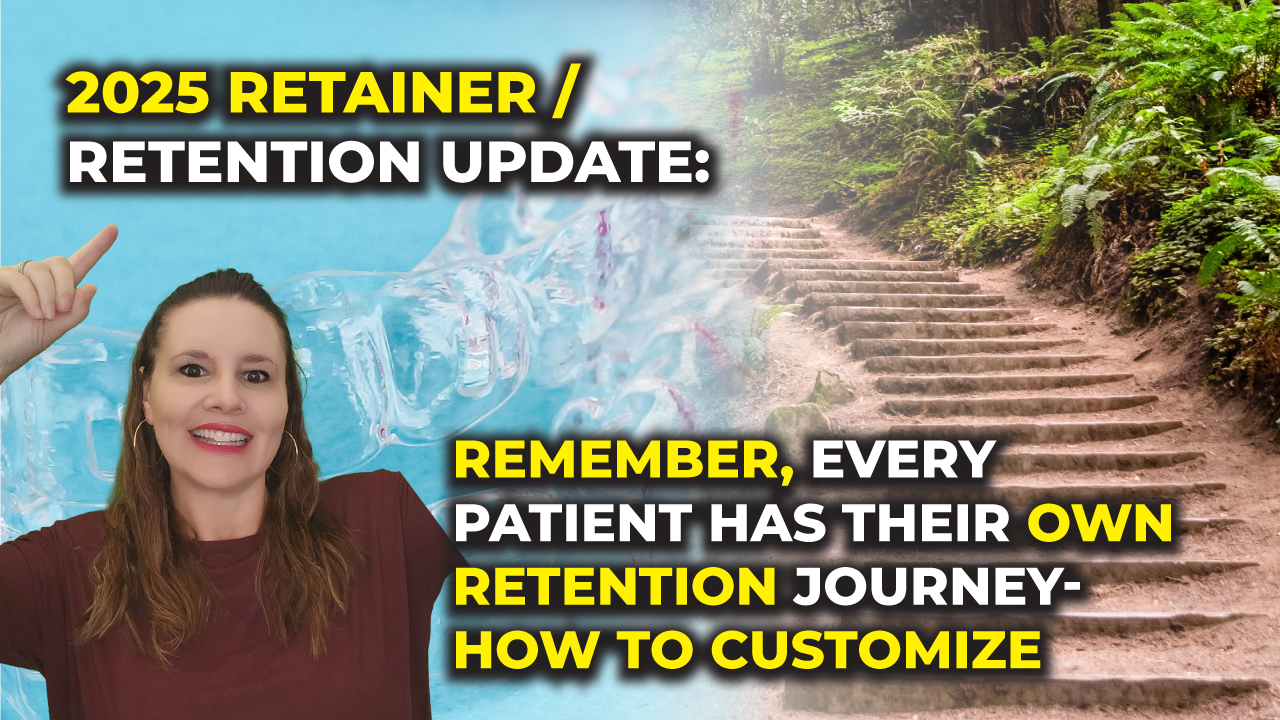
Retention is a critical part of orthodontic treatment, yet many doctors overlook the need for personalized retainer plans. Every patient requires a unique aftercare strategy based on their initial orthodontic condition, treatment outcome, and future needs.
This guide explores the best practices for retainer wear, different types of retainers, and how to create a long-term retention strategy.
1. The Importance of Retention
- Retainers prevent teeth from shifting after orthodontic treatment.
- Teeth naturally move over time, so retainers must be worn for life.
- A customized retention plan ensures long-term stability and patient satisfaction.
2. Types of Retainers
2.1 Essex (Clear) Retainers
- Thin, clear plastic retainers that fit over the teeth.
- Pros: Nearly invisible, comfortable to wear.
- Cons: Prone to wear and tear, requiring replacements every 1-2 years.
2.2 Vivera Retainers
- A more durable version of clear retainers made by Invisalign.
- Pros: Longer lifespan than standard Essex retainers.
- Cons: More expensive than other options.
2.3 Hawley Retainers
- Traditional acrylic retainers with a metal wire.
- Pros: Extremely durable, can last decades if well maintained.
- Cons: More visible and may not be as aesthetic as clear retainers.
2.4 Bonded (Fixed) Retainers
- A thin wire bonded to the back of teeth for permanent retention.
- Pros: No risk of patient non-compliance.
- Cons: Requires regular dental monitoring and maintenance.
3. Creating a Custom Retention Plan
3.1 Why One-Size-Fits-All Doesn’t Work
- Every patient has unique needs, making a standard retention schedule ineffective.
- Instead of using a universal “wear full-time for three months, then nighttime only” rule, retention should be phased down based on individual progress.
3.2 Factors to Consider
- The patient’s initial dental condition and treatment goals.
- Lifestyle factors, including compliance with retainer wear.
- The patient or parent’s expectations regarding cost and replacements.
4. Educating Patients and Parents
4.1 Setting Expectations for Long-Term Retention
- Patients must understand that retainer wear is a lifetime commitment.
- Retainers need regular replacements, except for durable options like Hawley.
- Bonded retainers require check-ups to prevent breakage or dental issues.
4.2 Why a Retainer Menu Matters
- A structured retainer menu helps patients choose the best option for their lifestyle.
- Modern Hawley retainers can now be 3D-printed or made with aesthetic labial bows.
- Offering multiple retainer options ensures patient satisfaction.
5. Planning for Long-Term Retention Success
5.1 Retainer Check-Ups Beyond the First Year
- Many practices offer retainer follow-ups for only the first year, leaving patients without long-term guidance.
- Extended check-ups or maintenance plans should be available for patients, especially those with bonded retainers.
5.2 Monetizing Retention Care
- Consider offering a subscription-based retainer replacement plan for Essex or Vivera retainers.
- Provide extended warranties or check-up plans for bonded retainers to avoid unexpected failures.
Conclusion
A cookie-cutter approach to retention does not work. Each patient needs a customized plan that considers their unique orthodontic journey.
For more insights, watch Dr. Amanda’s StraightSmile Solutions YouTube channel and check out the Retainer Wear Protocol video for detailed guidance.