
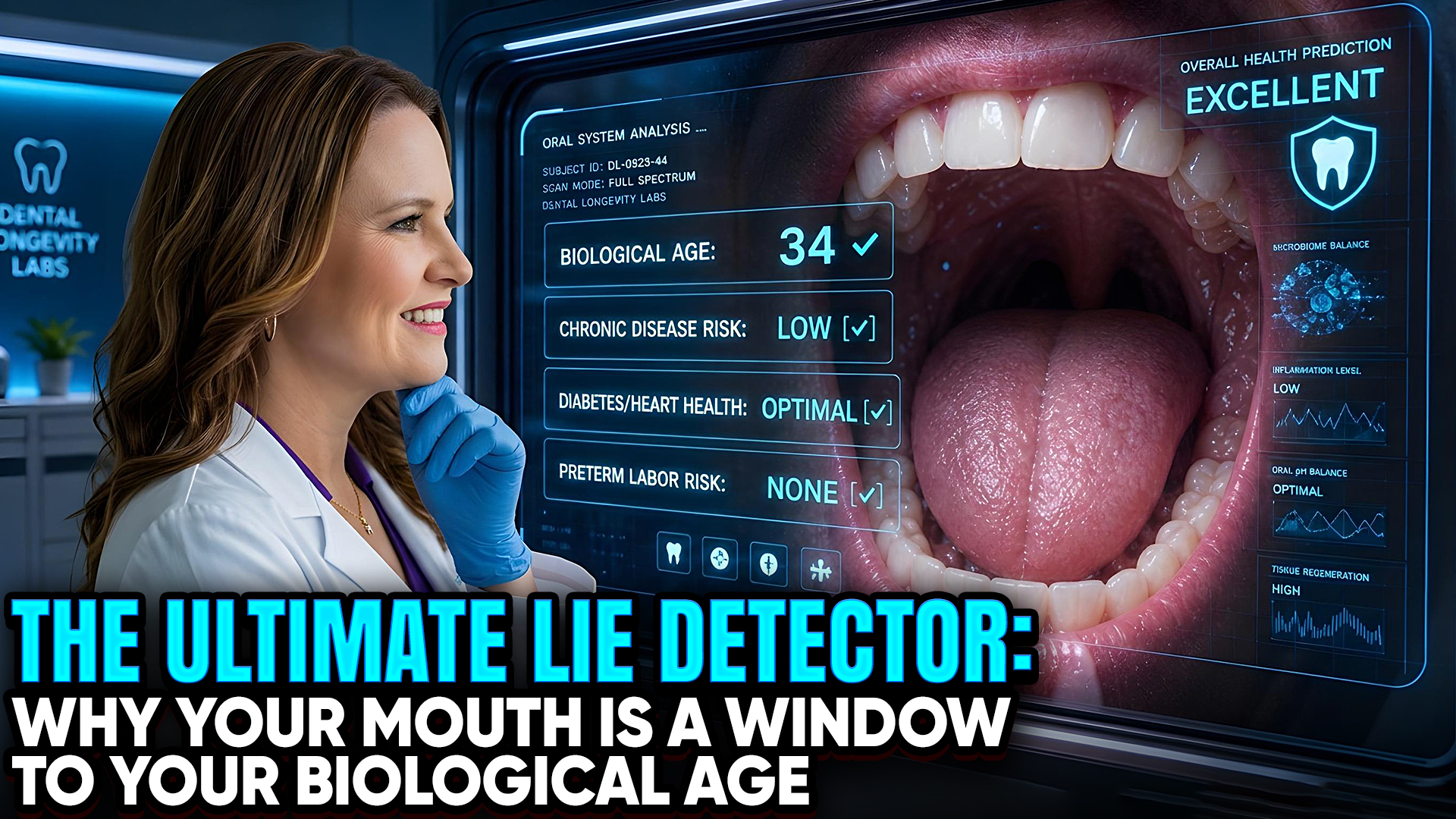
When you sit in the dental chair and open wide, you might think your dentist is only looking for cavities or checking how well you brush. But your mouth acts as a powerful window into your entire body. In fact, dental professionals can spot subtle clues about your systemic health, lifestyle choices, and even long-term longevity risks long before you ever experience symptoms elsewhere.However, the connection between oral health and medicine is complicated. Because of how the dental profession is regulated, primary care dentists often operate with strict legal and insurance limitations regarding medical diagnoses. If your dentist drops a subtle hint or nudges you to see your primary care physician, you should take it seriously—they often see more than they are legally allowed to explicitly say.Cardiovascular Risk and InflammationOne of the most clear-cut systemic signs a dentist can spot is cardiovascular risk.When a patient presents with severe gum disease (periodontitis) that doesn’t align with the amount of plaque in their mouth, it signals a deeper systemic problem. Pathogenic oral bacteria, such as Porphyromonas gingivalis, can enter the bloodstream through inflamed, bleeding gums. Once in the blood, these bacteria trigger low-grade systemic inflammation. This response elevates acute-phase proteins like C-reactive protein (CRP) and cytokines, which are heavily linked to atherosclerosis and a significantly higher risk of heart attacks.Uncontrolled DiabetesThe relationship between diabetes and periodontal disease is a well-documented, dangerous two-way street.Chronic high blood sugar levels physically alter the microvascular network—the small blood vessels—inside your gums. This impairment prevents your body from efficiently delivering essential immune cells to fight off standard oral bacteria. As a result, individuals with undiagnosed or poorly managed diabetes often experience rapid, severe bone and tissue loss around their teeth. The structural housing holding the teeth literally falls apart, leading to loose teeth that may eventually require extraction. Simply cleaning the teeth will not fix this; the systemic blood sugar must be addressed.Sexually Transmitted Infections (STIs)Dentists and orthodontists frequently identify signs of various STIs localized within the oral cavity. They routinely spot lesions, white patches, or sores related to:HPVSyphilisHIVHerpes Simplex Virus (HSV)Identifying these conditions requires extreme medical delicacy and privacy, particularly when treating patients under the age of eighteen where practitioners act as mandated reporters. While severe or rough oral physical trauma leaves distinct markers, it is worth noting that viruses like herpes are not exclusively transmitted sexually; they can easily be passed to babies through simple, non-sexual contact like a kiss.Anemia and Nutritional DeficienciesYour dentist can immediately evaluate the vitality of your soft tissues to check for nutritional health.For instance, pale gums or a smooth, “bald” tongue (where the normal texturing sloughs away) are primary visual red flags for anemia. This condition is usually driven by severe underlying nutritional deficiencies, specifically low iron, vitamin B12, or folate levels.Chronic Stress and Medication UseThe exact consistency and volume of your saliva tell a deep story about your lifestyle and psychological state.Thick, stringy saliva or overly sticky oral tissues often point to elevated cortisol levels caused by chronic anxiety, trauma, or long-term career burnout. Alternatively, changes in saliva consistency frequently reveal hidden medication lists or lifestyle habits not disclosed on a medical intake form—such as the regular use of cannabis, GLP-one weight-loss medications, SSRI antidepressants, or nicotine pouches.Oral Frailty and LongevityUltimately, your mouth serves as an accurate systemic biomarker for your total life expectancy.Prospective cohort studies examining the aging process demonstrate that oral frailty—specifically losing five or more teeth by age sixty-five—strongly correlates with significantly higher all-cause mortality rates. While losing a tooth does not directly cause death, a mouth that is structurally falling apart is a reflection of poor nutritional intake, long-term systemic inflammation, and lower socioeconomic wellness.The Tricky Position of the Modern DentistEven though your dentist can easily spot the oral warning signs of liver disease, kidney issues, or metabolic failure, they generally cannot order blood work or diagnose these medical conditions outright.Because doing so could expose them to liability or violate state dental board regulations, many dentists choose to stay quiet or offer vague advice. A new wave of functional medicine certifications for dentists aims to bridge this gap in the future. Until then, if your dental provider suggests that you follow up with a physician, do not ignore it—be completely candid with them and take proactive care of your systemic health.Disclaimer: This article is for general informational purposes only and does not constitute medical or dental advice, diagnosis, or treatment. Always consult with your own licensed healthcare provider regarding any medical conditions.