
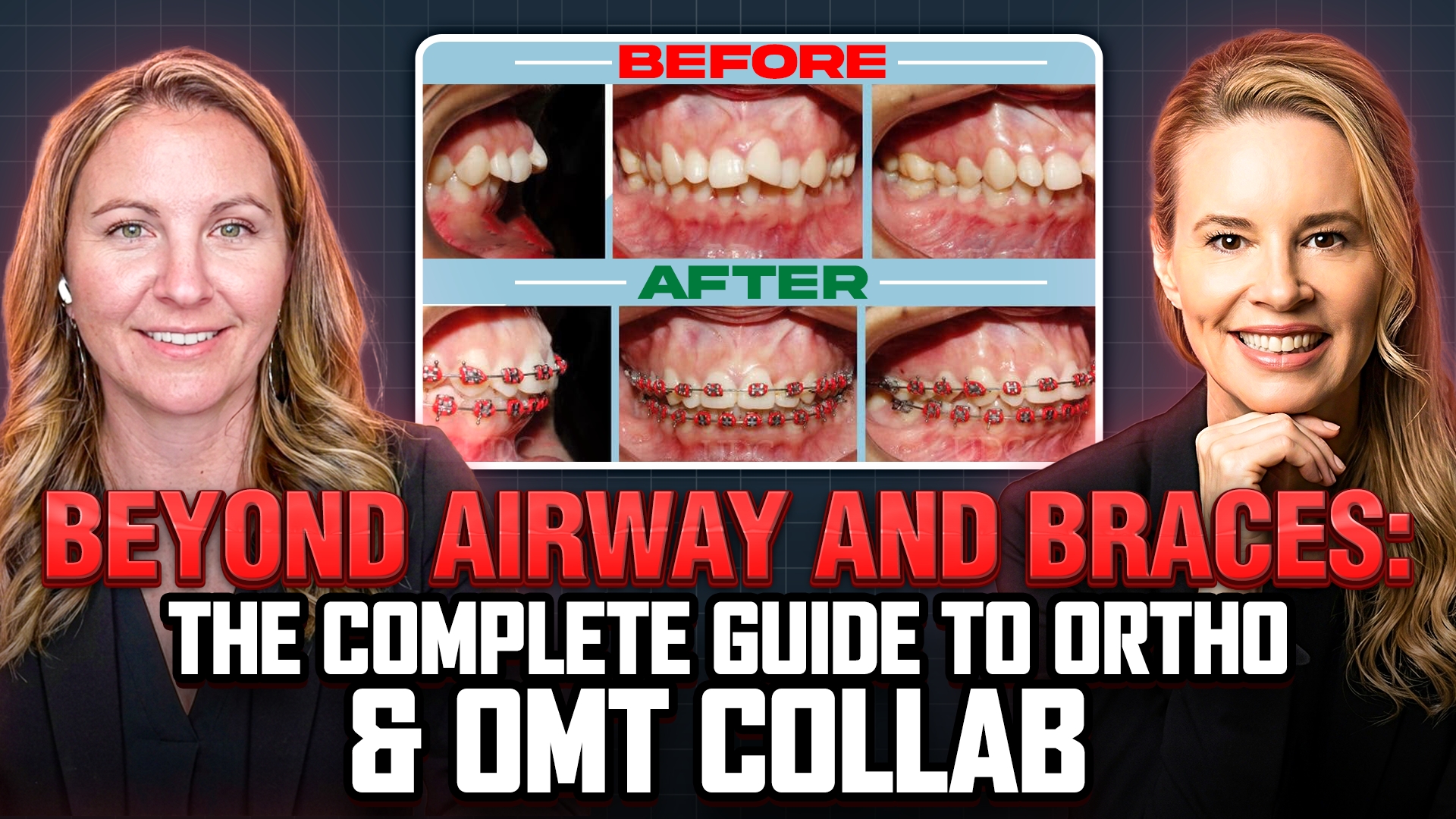
Integrating oral myofunctional therapy into a dental or orthodontic practice marks a vital shift toward a full-body wellness approach to patient care. For decades, traditional orthodontic programs relied on limited techniques, like holding a sugar-free lozenge against the roof of the mouth, or resorting to aggressive fixed habit appliances to control a tongue thrust. However, these localized options rarely address the root neuromuscular dysfunction, leading to compromised facial growth and frustrating orthodontic relapses. A progressive approach treats the oral cavity not as an isolated structure, but as an interconnected system where muscular function directly dictates bone structure and airway health.
Discovering the true depth of this connection often requires a provider to experience the diagnostic process firsthand. Comprehensive myofunctional evaluations go far beyond checking whether a patient can stick out their tongue. Instead, therapists look at functional movement, lateralization compensations, and how a restricted range of motion pulls on the floor of the mouth and strains neck muscles. When these tissues are anchored incorrectly, the body compensates throughout the entire upper cervical region. This structural strain explains why patients struggling with an undiagnosed tongue tie or tongue thrust frequently suffer from severe, long-term temporomandibular joint issues, chronic migraines, and neck stiffness.
True clinical success demands a highly collaborative, interdisciplinary network where the myofunctional therapist acts as the quarterback for the patient’s care. Resolving complex issues often requires coordinating specialized treatments with upper cervical chiropractors to address head and neck alignment, and periodontists trained in specialized functional frenuloplasties. This teamwork is especially vital because adult patients have a lifetime of improper muscle patterning to unravel before they are ready for a surgical release. By strengthening the oral muscles and establishing correct resting postures before and after orthodontic treatment, clinicians can deliver stable structural results, eliminate chronic pain cycles, and fundamentally transform a patient’s systemic health.