
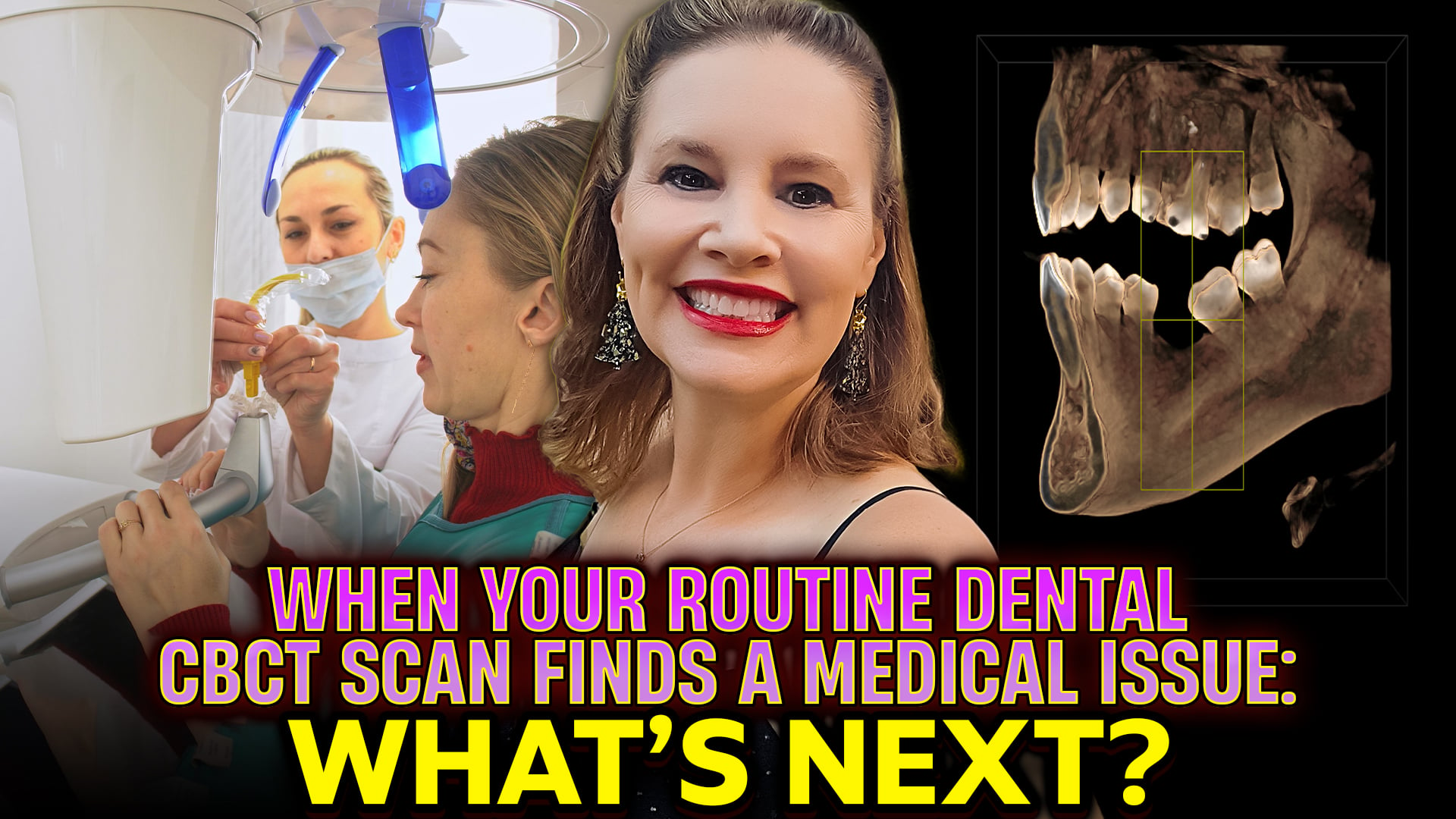
 The Invisible Risk: Why Your Large-FOV CBCT Could Trigger a Lawsuit
Implementing Cone Beam Computed Tomography (CBCT) in your dental practice offers incredible diagnostic power, but it also carries significant legal responsibilities. Many general dentists and orthodontists utilize large Field of View (FOV) scans for orthodontic tracking or implant planning. However, a growing liability risk stems from what you might miss outside your primary area of focus.
Legally, if a pathology falls within your scan’s field of view, you are fully responsible for reading and diagnosing it. It does not matter if you are an orthodontist only looking at teeth movement; if that large scan captures carotid calcifications, sinus tumors, or airway issues, the liability rests on your shoulders. Failing to recognize these non-dental medical issues can open the door to malpractice lawsuits.
Compounding this risk is the rise of the hyper-informed patient. Empowered by online communities, AI, and digital access, patients frequently request their raw CBCT data on flash drives. They are increasingly aware of their rights and may independently seek secondary clinical reviews. If they discover a missed condition that you overlooked, legal consequences can quickly follow.
To protect your practice from this “hidden” liability, risk mitigation is essential. First, limit your scans to the smallest practical FOV necessary for the treatment. Second, when a large FOV is unavoidable, routinely outsource the scan to a third-party Oral and Maxillofacial Radiologist (OMFR) for a comprehensive clinical medical overview. While this independent reading introduces a small nominal fee, it provides vital legal protection and ensures total patient safety.
Don’t let advanced technology become a legal vulnerability. Inspect the entire scan, or partner with experts who can.