
 The Evolving Fluoride Debate: Why Dental Professionals Must Analyze the Raw Research
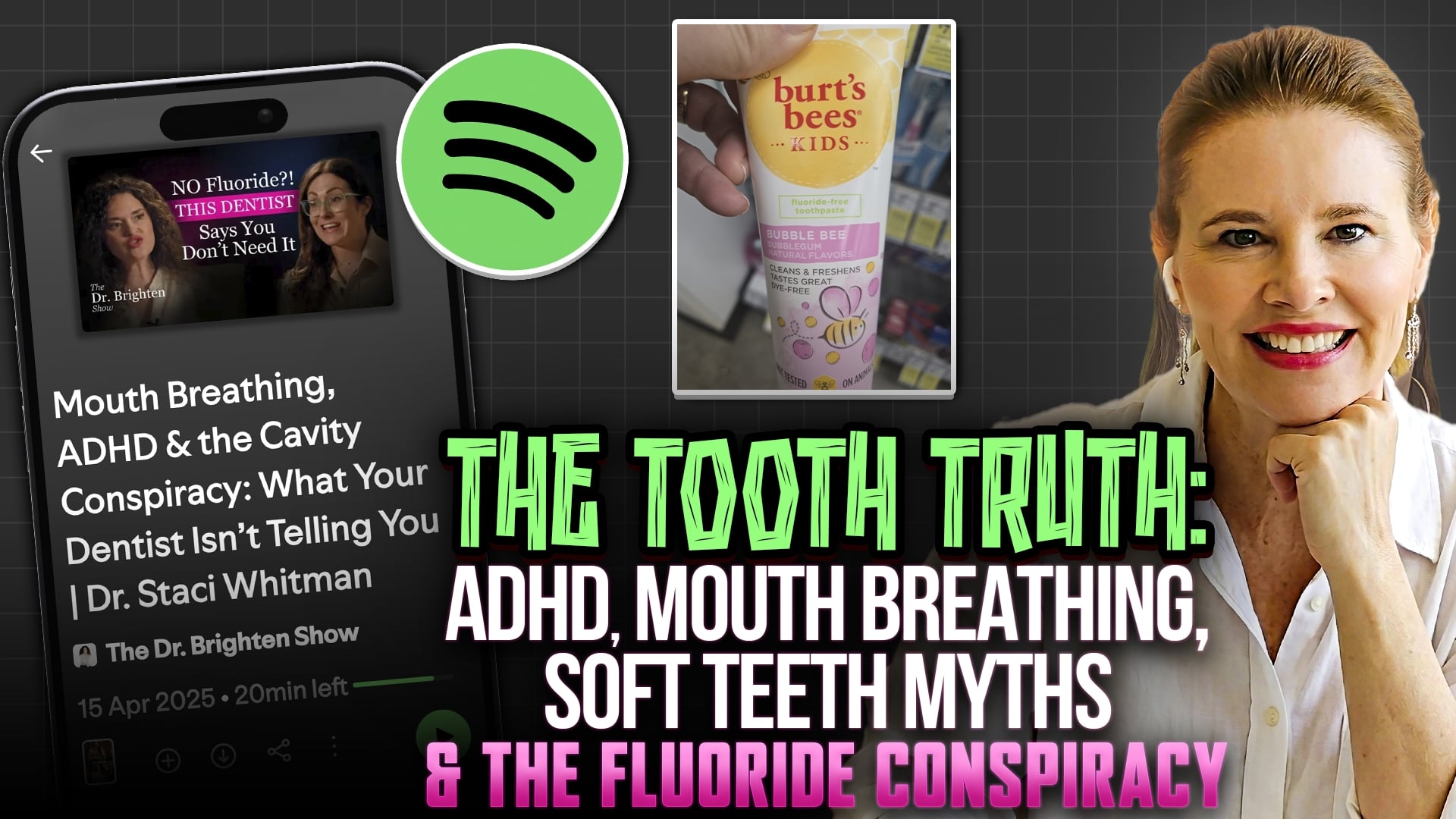
For decades, community water fluoridation has been accepted as an absolute standard in dental care. However, a growing dialogue within the profession urges practitioners to look past organizational guidelines and directly analyze the foundational science. Relying solely on third-party interpretations of dental health policies can create critical blind spots. Engaging firsthand with emerging white papers ensures that dentists stay ahead of evolving science and preserve patient trust.Topical Benefits vs. Systemic IngestionTraditional dental training has often treated the mouth as an isolated environment, managing cavities through standard mechanical drilling, filling, and routine fluoride application. Yet, modern insights reveal the oral cavity as an integrated gateway to systemic health. While fluoride is highly effective at preventing decay, the scientific consensus emphasizes that its benefits are primarily topical rather than systemic.When fluoride is distributed globally through public drinking water, managing individual exposure becomes highly unregulated. This raises valid clinical questions, especially since modern consumer diets already introduce organic sources of concentrated fluoride through items like matcha. Targeted, direct topical application remains a viable option for those who utilize it, but a universal systemic approach may no longer be necessary.Preserving Clinical Credibility and TrustBlindly following institutional narratives without verifying the core data poses a severe risk to practitioner credibility. Today’s patients are highly proactive, independently researching clinical studies and noticing when a provider cannot explain the underlying science behind a recommendation.A parallel can be drawn to the field of gynecology, where a historical over-reliance on a rigid institutional consensus regarding hormone replacement therapy led to widespread patient mistrust once the underlying data evolved. To prevent a similar shift in dentistry, professionals must independently review the data to remain open-minded and answer patient inquiries with confidence. Looking into holistic factors, such as the impact of mouth breathing on oral health, allows for a much more comprehensive approach to patient care.Medical Disclaimer: This content is for general informational purposes only and does not constitute medical or dental advice. Always consult with a licensed healthcare professional regarding specific medical or dental conditions.