
 Is Invisalign’s “Pay Per Aligner” Program Worth It?
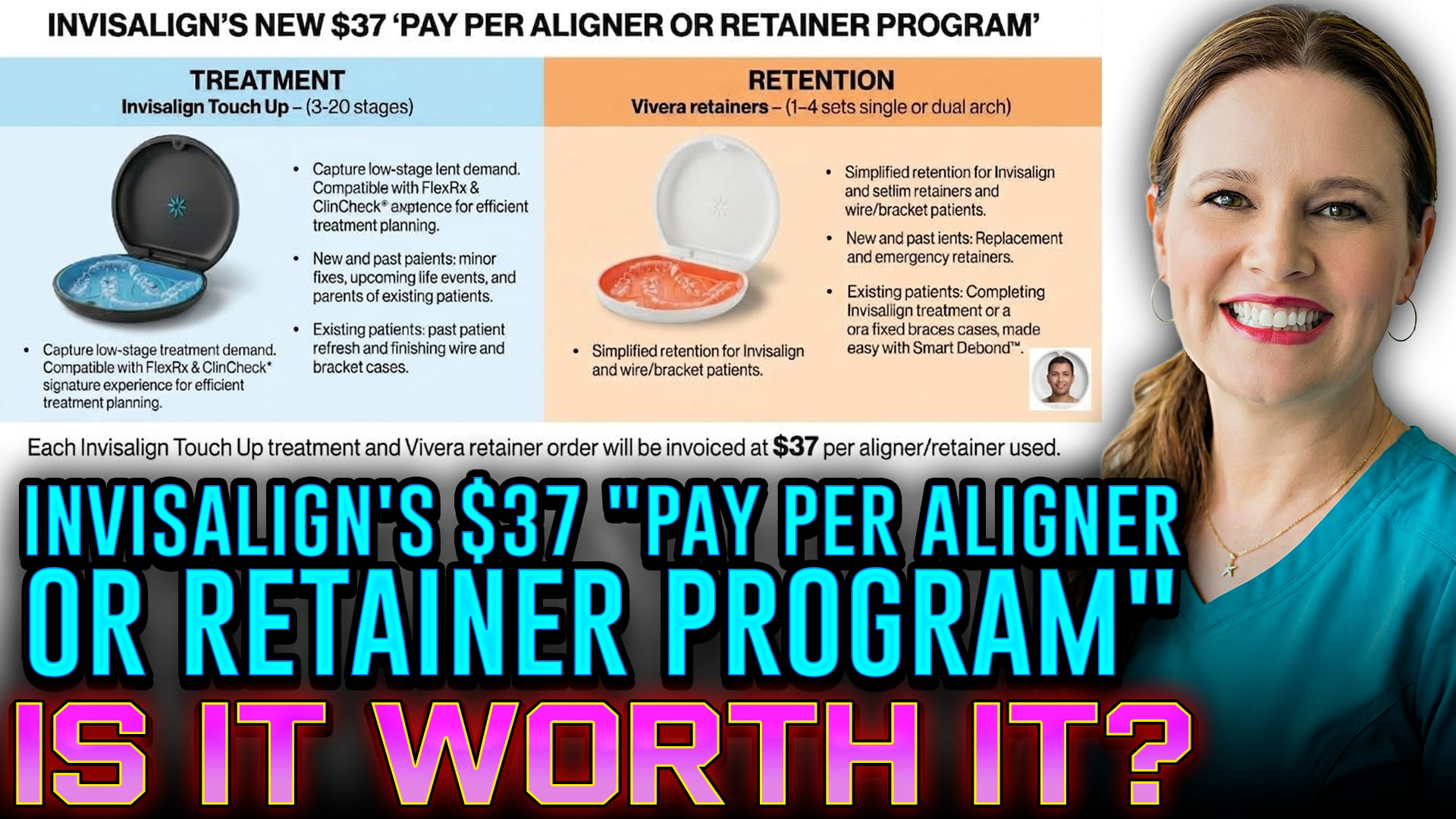
A new feature on the Invisalign dashboard has dental professionals talking. Invisalign is introducing a “Pay Per Aligner or Retainer” program. This shift aims to offer doctors and patients more flexibility with clear aligner treatment pricing. However, it also introduces unique challenges for modern dental practices.An Opportunity for Patients and DoctorsThis pay-per-aligner model can be incredibly beneficial. For patients, it provides a highly customizable entry point into orthodontic treatment. Individuals who only need minor touch-ups or specific standalone retainers no longer have to commit to expensive comprehensive packages. Doctors can utilize this program to offer targeted, cost-effective adjustments. It can also build a robust aftercare program for long-term retention.The Industry ShiftDespite the convenience, this model represents what many in the industry call a “race to the bottom”. Decades ago, clear aligner orthodontics was a premium, high-margin service. Today, the market is highly commoditized. Once patients discover the base lab fees for individual aligners, practices may face heavy pressure to lower their consumer pricing. This shift can make it incredibly difficult to maintain standard profit margins on basic treatments.Strategic Solutions for Your PracticeTo survive this changing landscape, general and pediatric dentists must adapt their business strategies. Relying solely on standard adult aligner cases is no longer a viable long-term strategy for high profitability. Instead, practices should focus on complex phase-one interceptive treatments and growth modifications. Additionally, dentists must learn to properly monetize their aftercare and retention programs. Offering structured long-term maintenance packages ensures stable revenue while protecting patient smiles.If you are a dental professional navigating these new pricing structures, consider evaluating your current overhead. I can help you analyze your lab fees, design an aftercare subscription, or explore phase-one tracking strategies.