
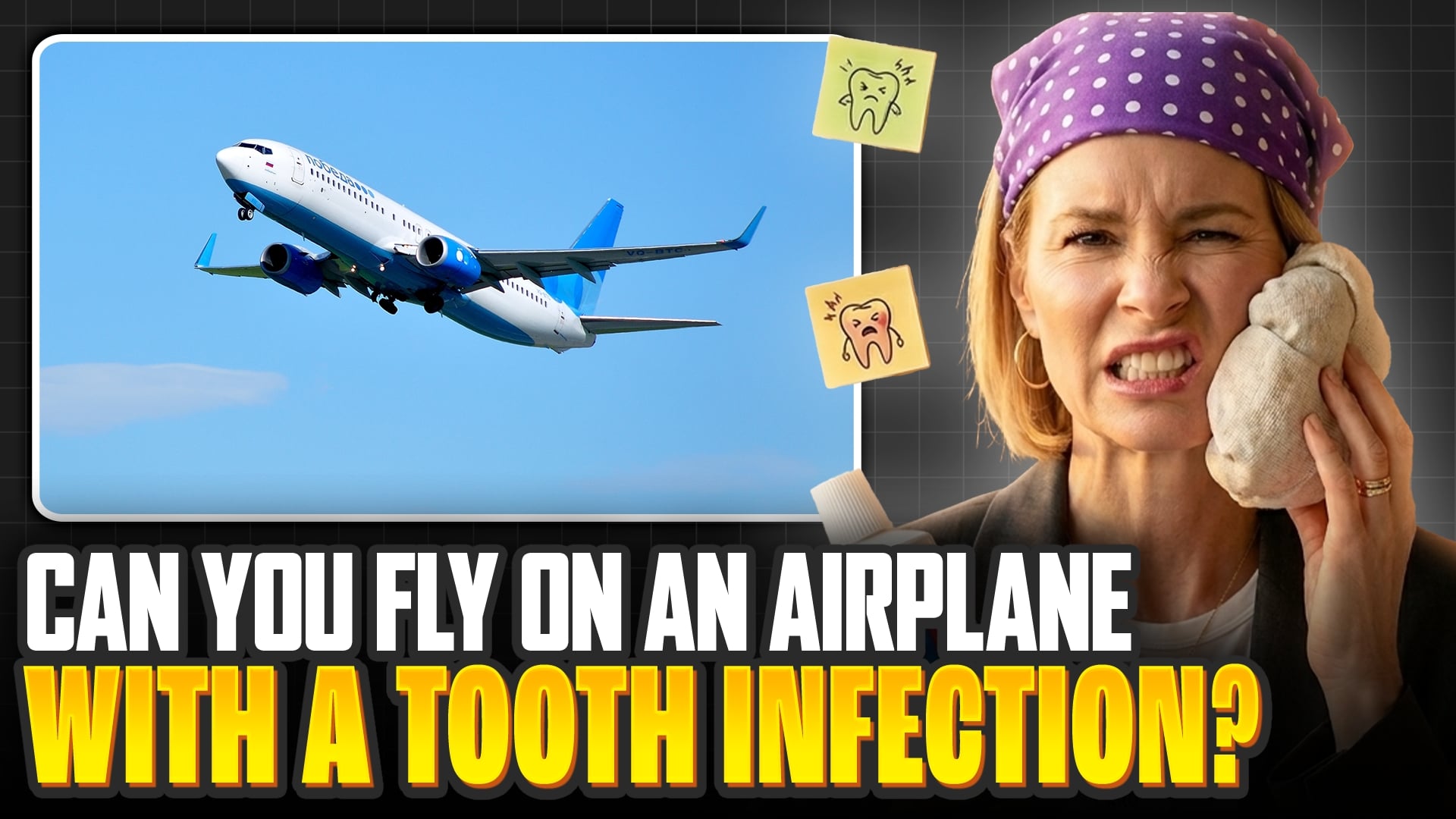
 Flying Safely: Can You Board a Plane with a Toothache?Taking to the skies with a sudden toothache can turn a dream vacation into a painful nightmare. The unique environment inside an airplane cabin has a surprising impact on dental health. Understanding how cabin pressure affects your teeth is essential for a safe and comfortable journey.The primary culprit behind mid-flight dental pain is a phenomenon called barodontalgia, commonly known as “tooth squeeze.” As an airplane climbs, atmospheric pressure drops, causing pockets of trapped air to expand. If you have an untreated cavity, a cracked filling, or a hidden infection at the root of a tooth, the air trapped inside those microscopic spaces expands rapidly. This internal pressure pushes directly against the sensitive nerves of your teeth, causing sudden, sharp, and sometimes excruciating pain.While a mild ache might feel manageable on the ground, the pressure shift during a flight can amplify the discomfort dramatically. More importantly, flying with an active dental infection or an abscess carries serious risks. The changing pressure can alter blood flow and potentially worsen the inflammation or spread the infection, which can lead to severe medical complications mid-flight.To protect your health, scheduling a dental checkup before any long-haul flight is a smart strategy. Dentists can identify hidden issues and ensure your fillings are secure. If you absolutely must fly with a minor toothache, pack over-the-counter pain relievers and a cold compress in your carry-on luggage. Staying hydrated and avoiding extremely hot or cold beverages during the flight will also help minimize nerve irritation.Prioritizing your dental health ensures a smooth journey. Never ignore dental pain before boarding. A quick visit to a professional can save your trip and keep your smile intact.Would you like some tips on how to handle a dental emergency while traveling abroad?1