Connecting the Dots: Hormones, Late-Diagnosed ADHD, and the Reality of Dental Burnout
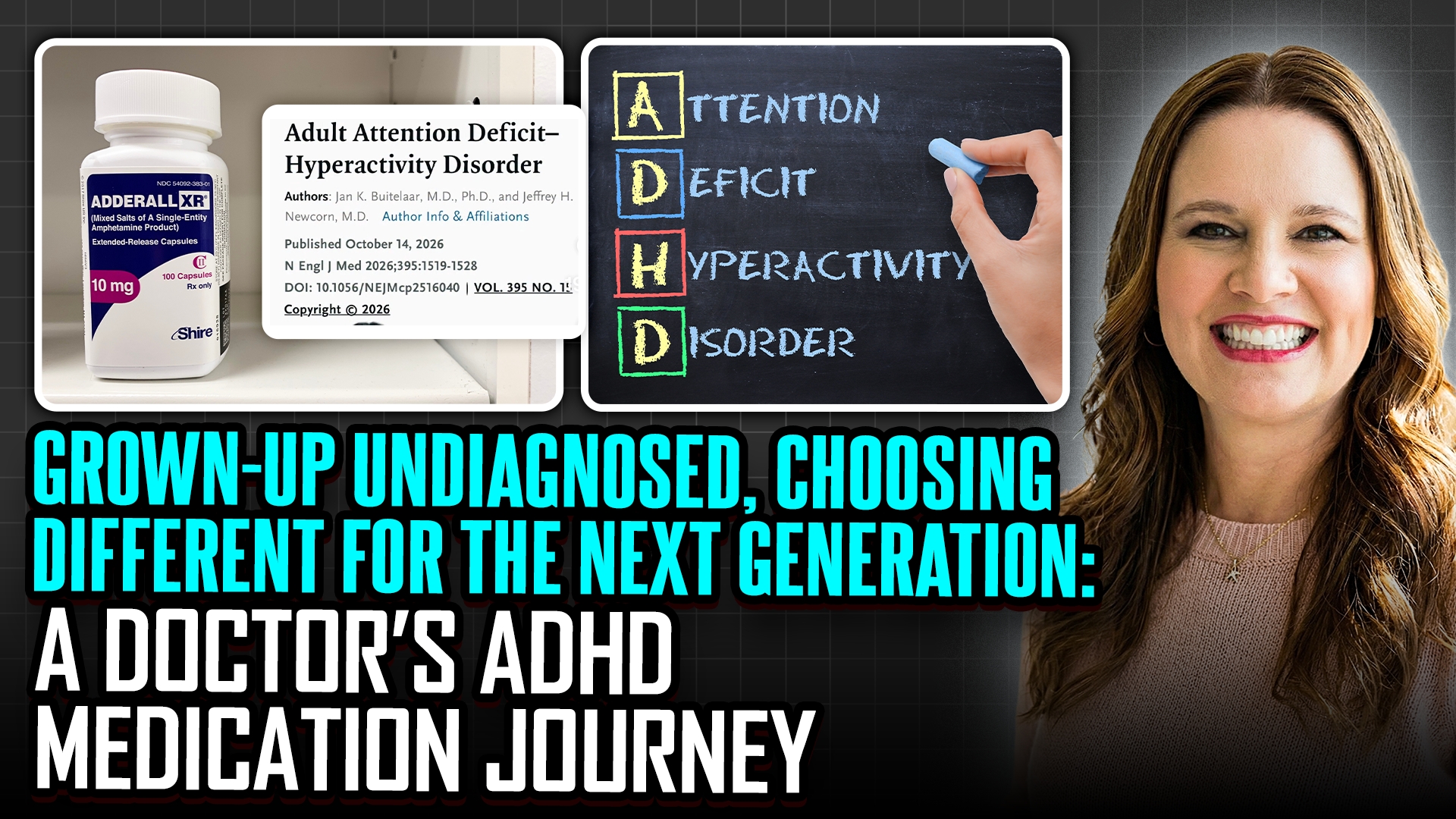
ADHD is still widely misunderstood as a condition that only affects hyperactive school boys. The reality is that it is a complex lifespan condition that heavily impacts adult women. For many high-achieving female dental professionals, neurodivergence is often masked by hyper-organization and Type-A tendencies—until a massive hormonal shift completely disrupts that balance.
Recent clinical reviews validate the biological connection between dopamine and estrogen. When estrogen plummets—whether monthly, postpartum, or during perimenopause—ADHD symptoms suddenly skyrocket.
Understanding this hormonal interplay is crucial for two main reasons:
- In the Chair (Patient Care): That adult female patient who constantly cancels, shows up late, or struggles with low frustration tolerance isn’t being disrespectful. She may be experiencing severe executive dysfunction or hormone-driven dental anxiety. When hormones plummet, basic routines like brushing and flossing can feel like an impossible mountain to climb. We must approach these patients with empathy, not lectures.
- On the Stool (Practitioner Burnout): Dentistry demands intense, sustained executive focus and constant emotional regulation. Managing 70 to 90 patients a day while navigating hormonal crashes is a direct recipe for professional burnout. Recognizing your own neurodivergence can be the key to setting healthy boundaries, restructuring your clinical schedule, and protecting your mental health.
As healthcare providers, we need to bridge the gap between dental care and functional medicine. By speaking openly about late-diagnosed ADHD and its hormonal links, we can build better appointment structures, support our colleagues, and extend much-needed grace to ourselves as practitioners. If you feel like you are losing the joy in dentistry, look beyond the clinic walls—it might be time to explore how your brain thrives.