
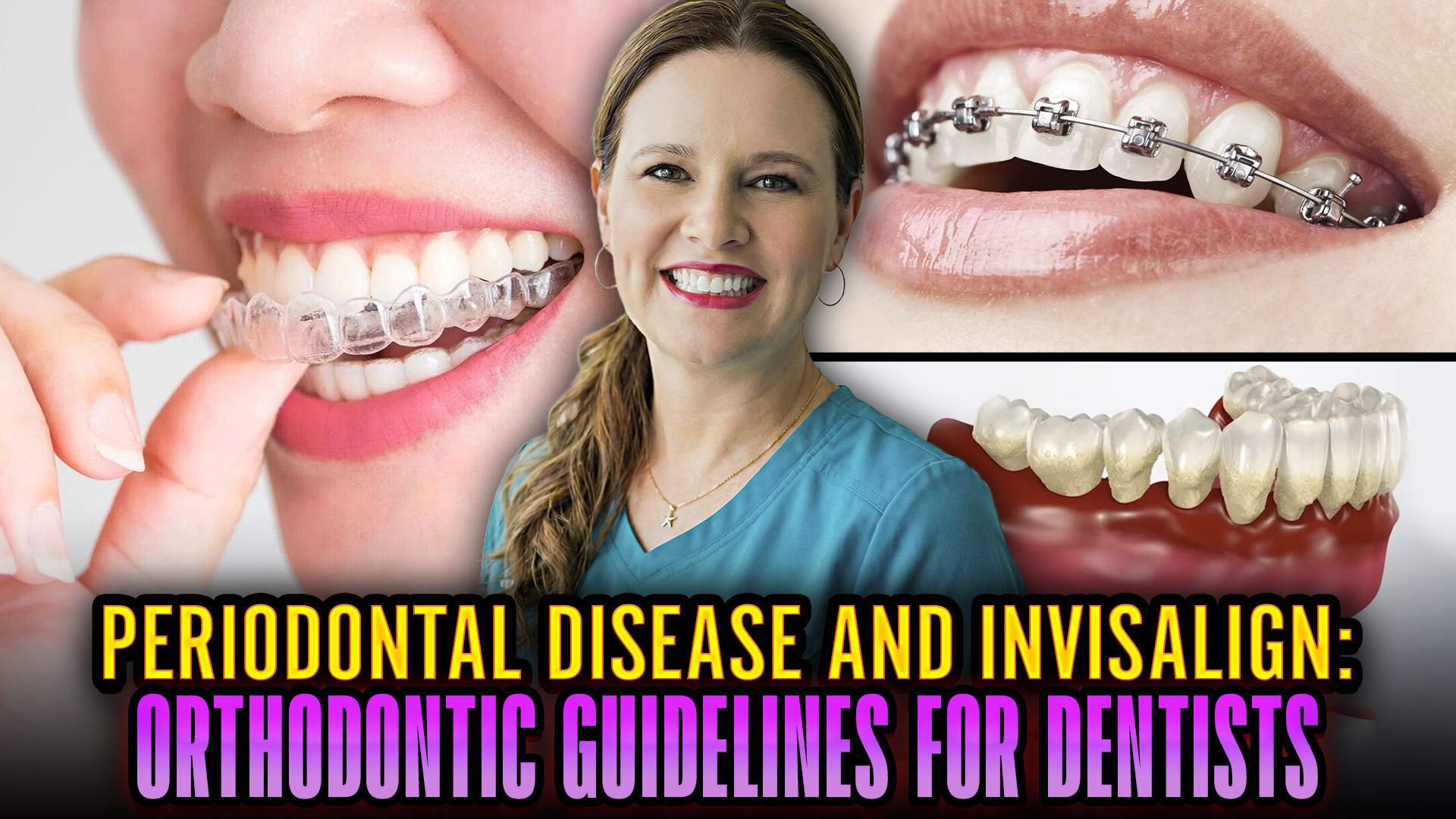
Can You Get Invisalign or Braces with Periodontal Disease?
For patients asking “Can I get Invisalign if I have gum disease?”, the short answer is yes—but with strict conditions. Moving teeth in the presence of active inflammation can accelerate bone loss and tissue breakdown. Managing these cases requires a clear distinction between active infection and historical, fully resolved tissue recession.Active vs. Passive Periodontal DiseaseBefore starting any orthodontic treatment, a comprehensive periodontal evaluation is mandatory.Active Disease: Characterized by bleeding on probing, bacterial infection, and active inflammation. Orthodontic forces must never be applied to teeth with active disease.Passive (Historical) Disease: The infection is resolved, and tissue is stable, though some bone loss or gum recession remains. These patients are generally safe for teeth straightening, provided they have adequate bone support.Why Clear Aligners Outperform Traditional BracesWhen treating a stable periodontal patient, traditional braces are highly discouraged. Braces utilize heavy, intermittent forces that peak during routine tightening appointments, causing structural stress on compromised bone.Instead, a specialized clear aligner protocol is preferred for several reasons:Slow and Low Forces: Aligners can be programmed for frequent tray changes to deliver light, highly consistent forces.Scalloped Trim Lines: Systems feature a scalloped edge that contours to the teeth without impinging on delicate, receded gum tissue. Straight-line trimmer options should be avoided as they place unnecessary pressure on the gingival margins.Hygiene Access: Removable aligners allow patients to maintain meticulous daily brushing and flossing routines, preventing plaque buildup.Best Practices for General DentistsIf you are a general practitioner managing a complex case, protect your patient and your practice by adhering to standard clinical workflows:Require a Periodontal Referral: If bone support is questionable, refer the patient to a specialist. Secure written clearance from a periodontist before manufacturing aligners.Perform Post-Treatment Evaluations: Do not rely solely on scaling and root planing (SRP). Conduct a mandatory re-evaluation to document that pocket depths and inflammation have objectively improved.Maintain Strict Recare: Ensure the patient remains on a dedicated periodontal maintenance program throughout their active orthodontic treatment.To review full clinical guidelines or schedule an orthodontic case consultation, visit the StraightSmile Solutions Services Portal.